

Wire Balustrade
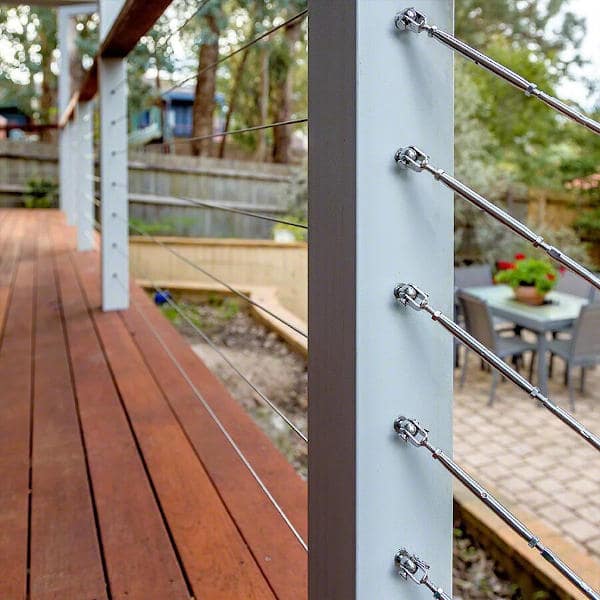
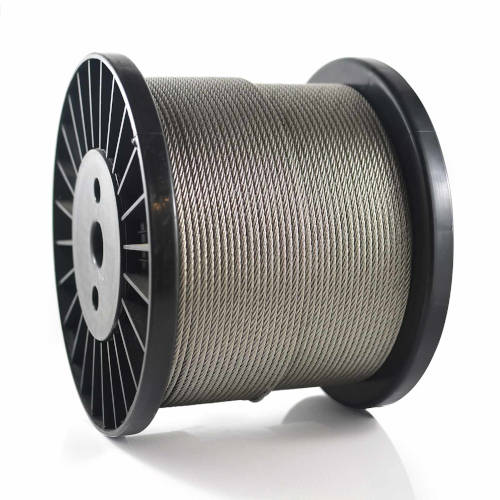
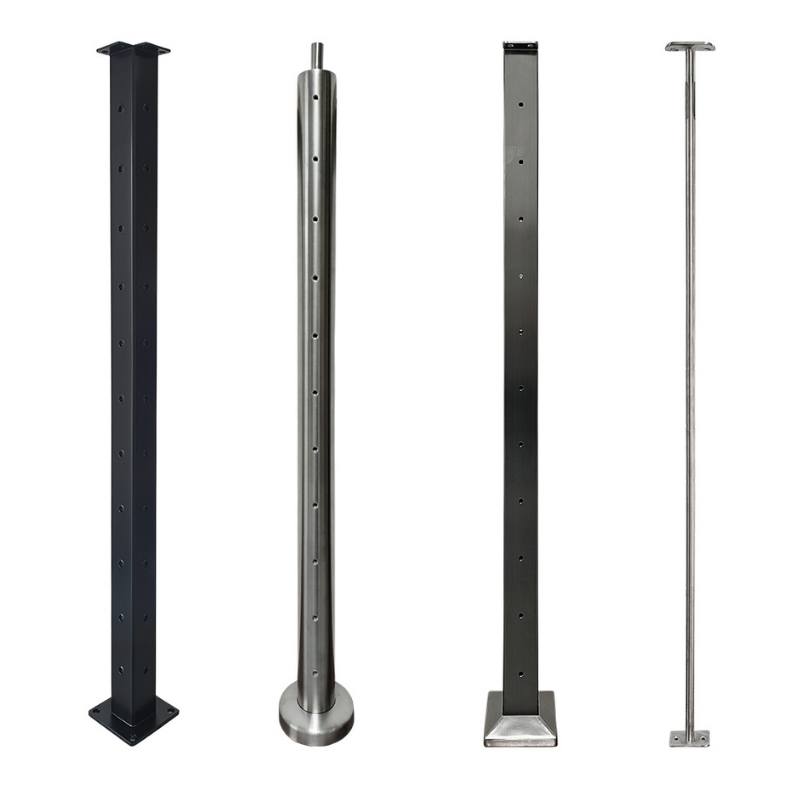

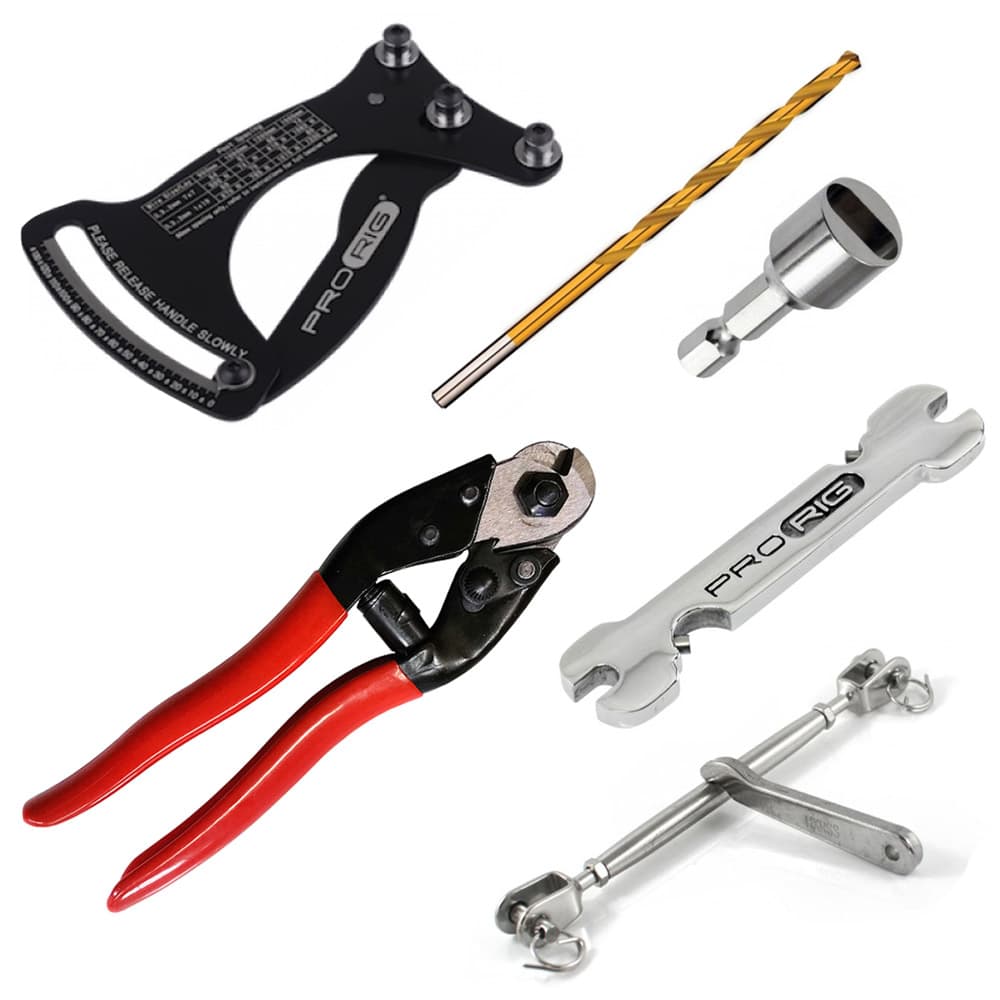
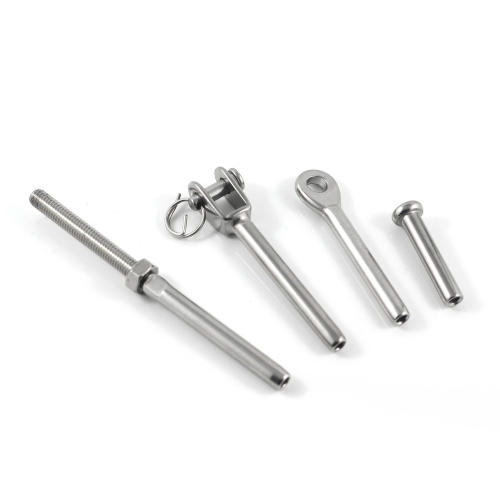
Find everything you need for wire balustrade — kits, wire, posts, fittings, expert guides and real project inspiration — all in one place.
We've helped thousands of DIY and trade customers across Australia with wire balustrade projects — and offer one of the most comprehensive wire balustrade ranges available nationally.
What do you need?
Most projects require some combination of:
- Wire balustrade kits — fittings for a complete wire run, for timber or metal posts
- Balustrade wire — 3.2mm and 4mm, 7x7 and 1x19 constructions, stainless or black
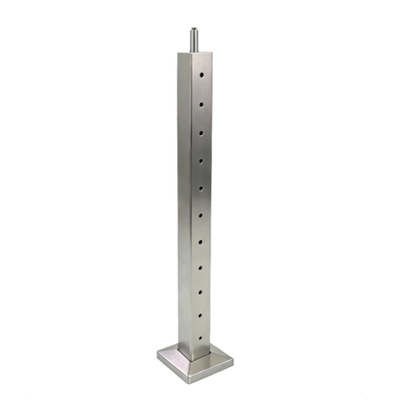
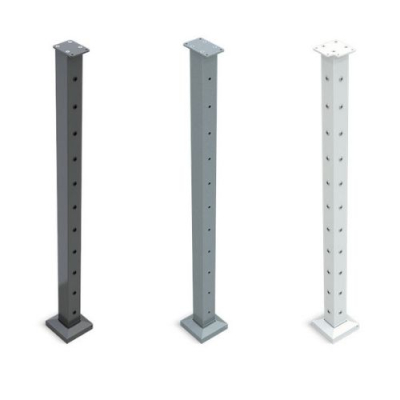
- Wire balustrade posts — stainless round, square and intermediate posts
- Stainless steel fittings — individual swage terminals, turnbuckles, bottlescrews and tensioners
- Installation tools — swaging tools, wire cutters and drill bits
Stainless or black?
Most installations use marine grade 316 stainless steel wire — UV resistant, corrosion resistant and compatible with virtually any post system. Black wire balustrade has grown in popularity for properties with dark timber decking or black powder-coated posts. We stock both.
Not sure where to start? Our How to Install Wire Balustrade guide covers system selection, NCC compliance and installation in detail.
Popular Categories - Wire Balustrade Kits, Balustrade Wire and Posts


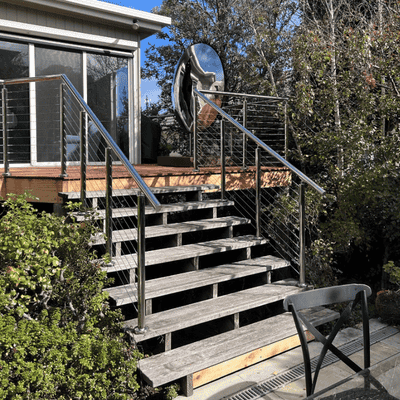



Wire Balustrade Installation, Guides & FAQs
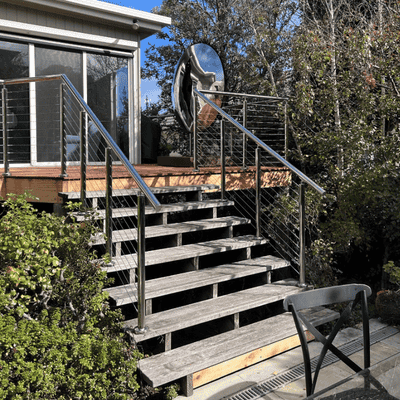
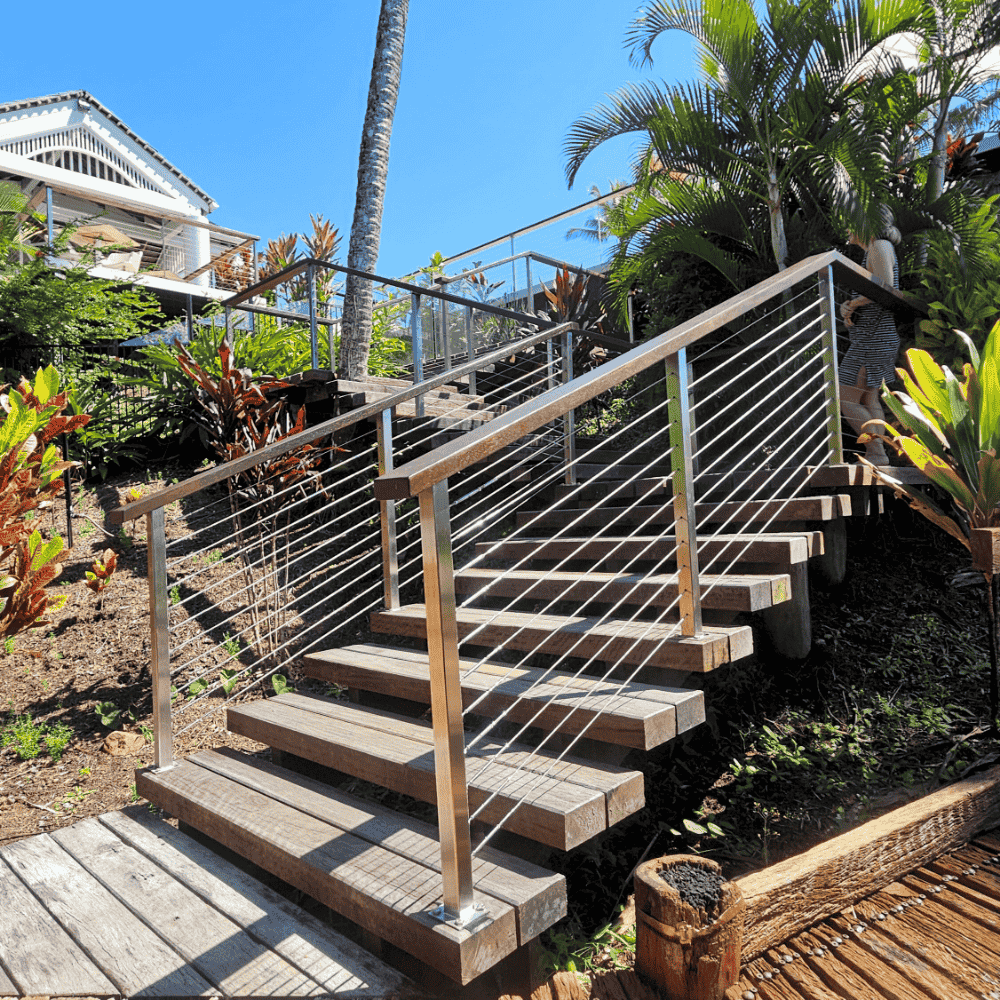
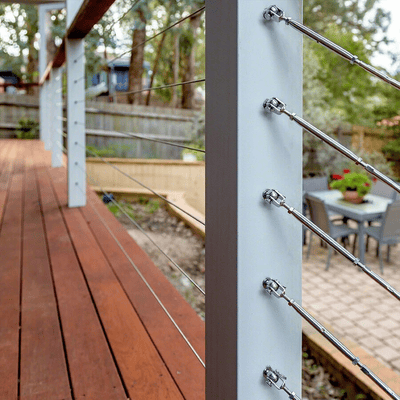
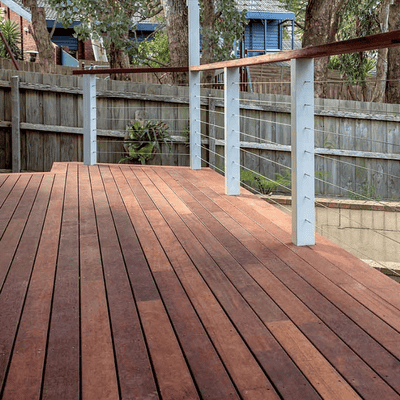
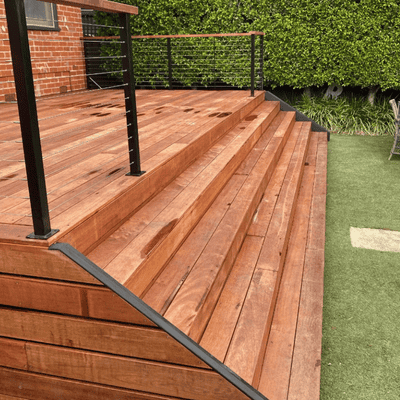
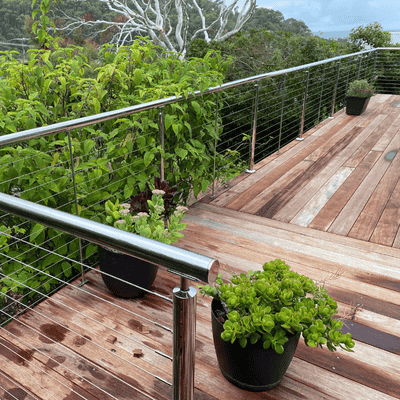
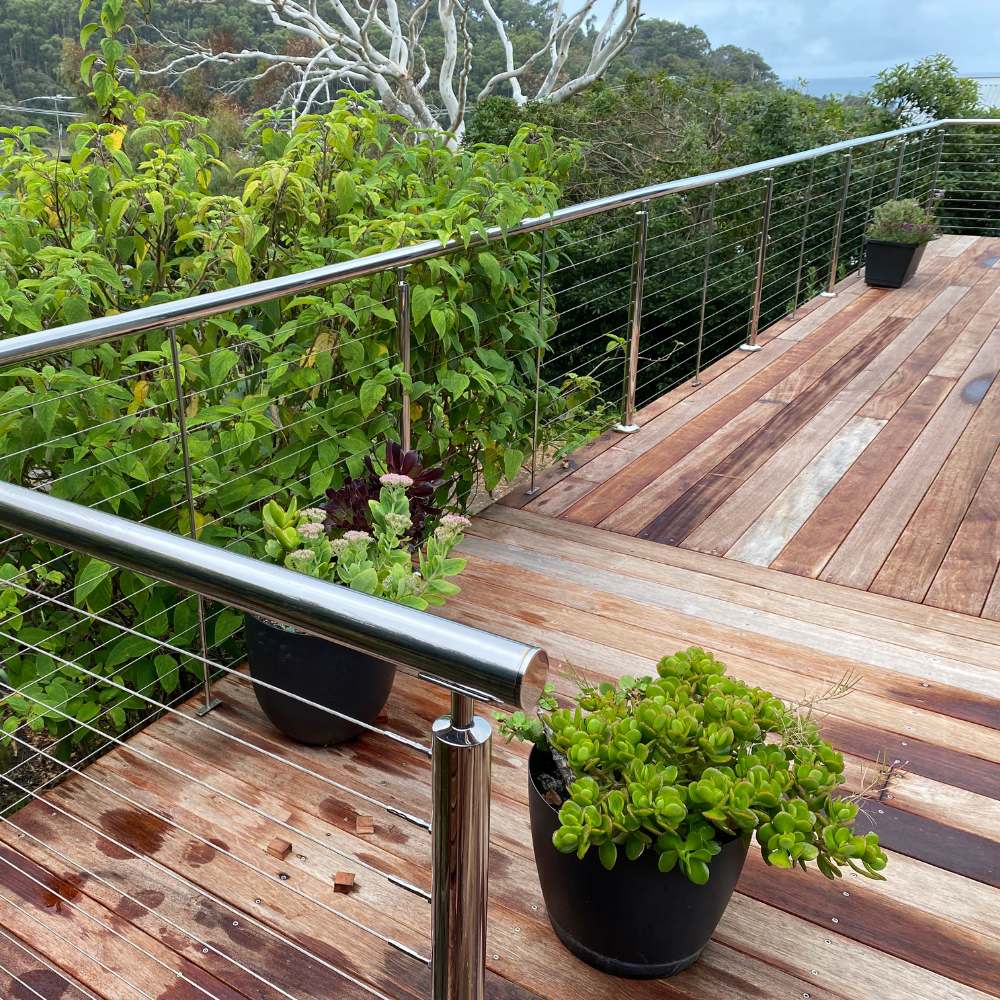
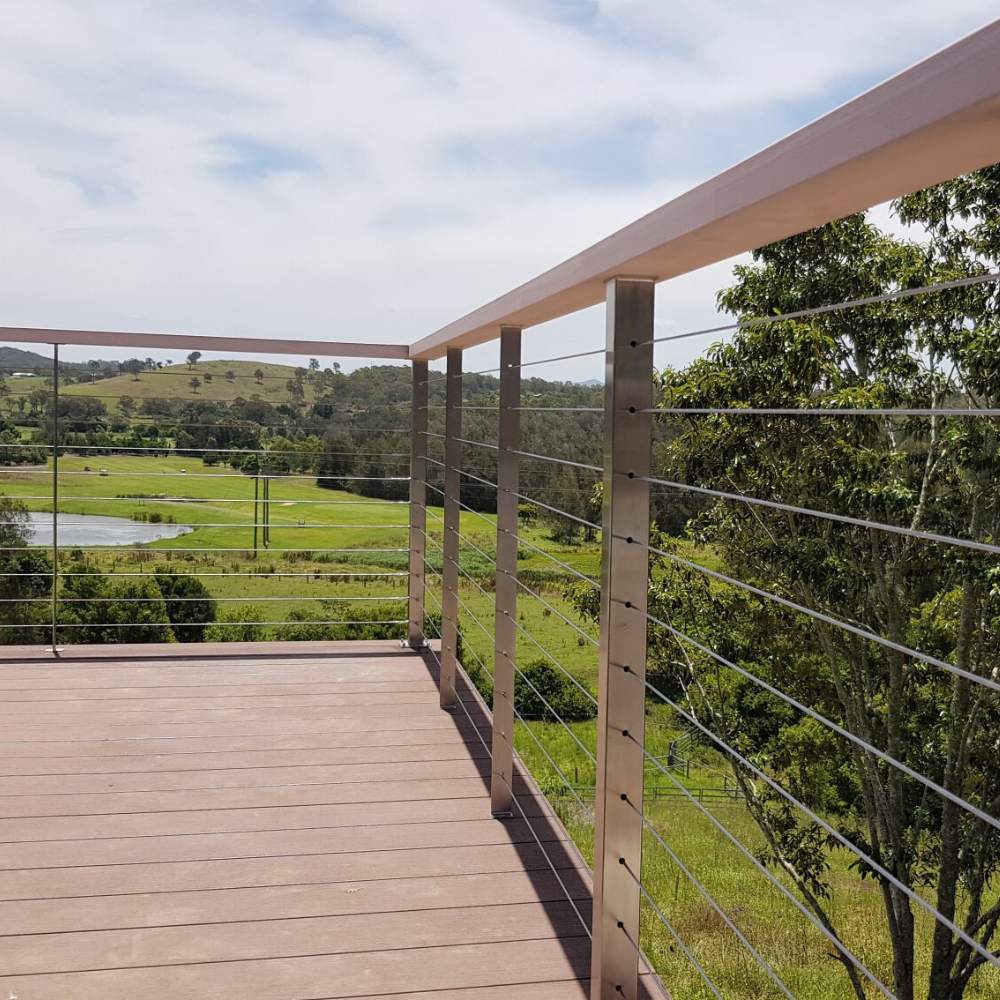
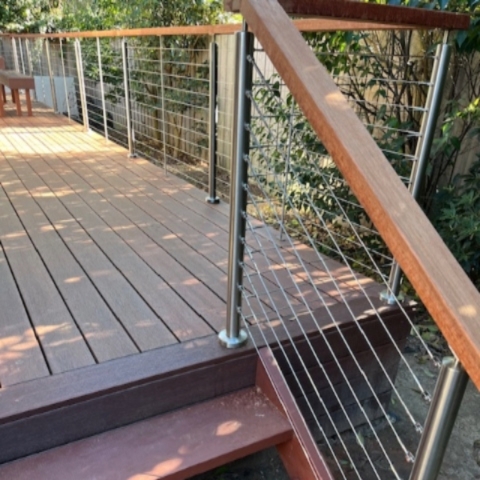
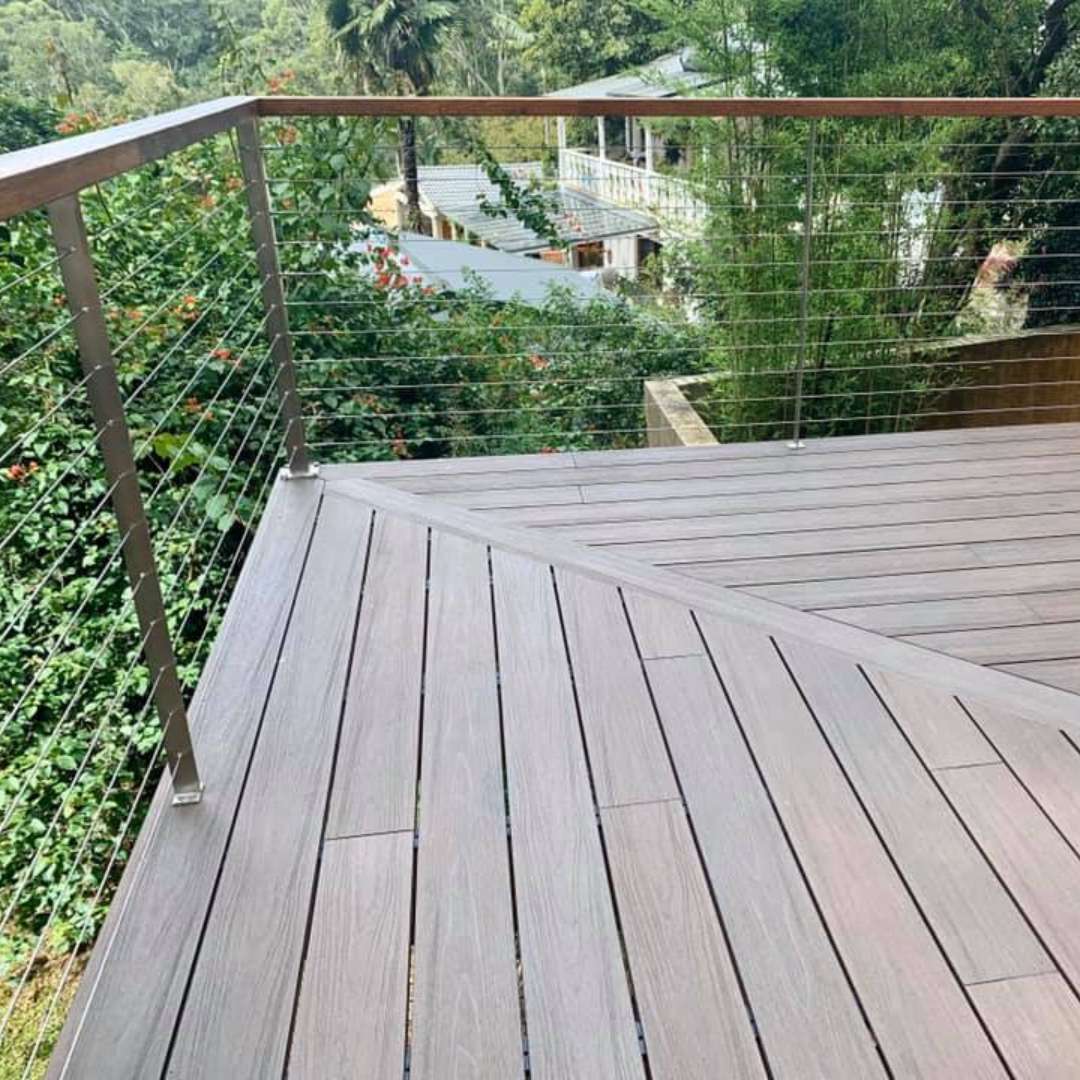
Recent Customer Projects
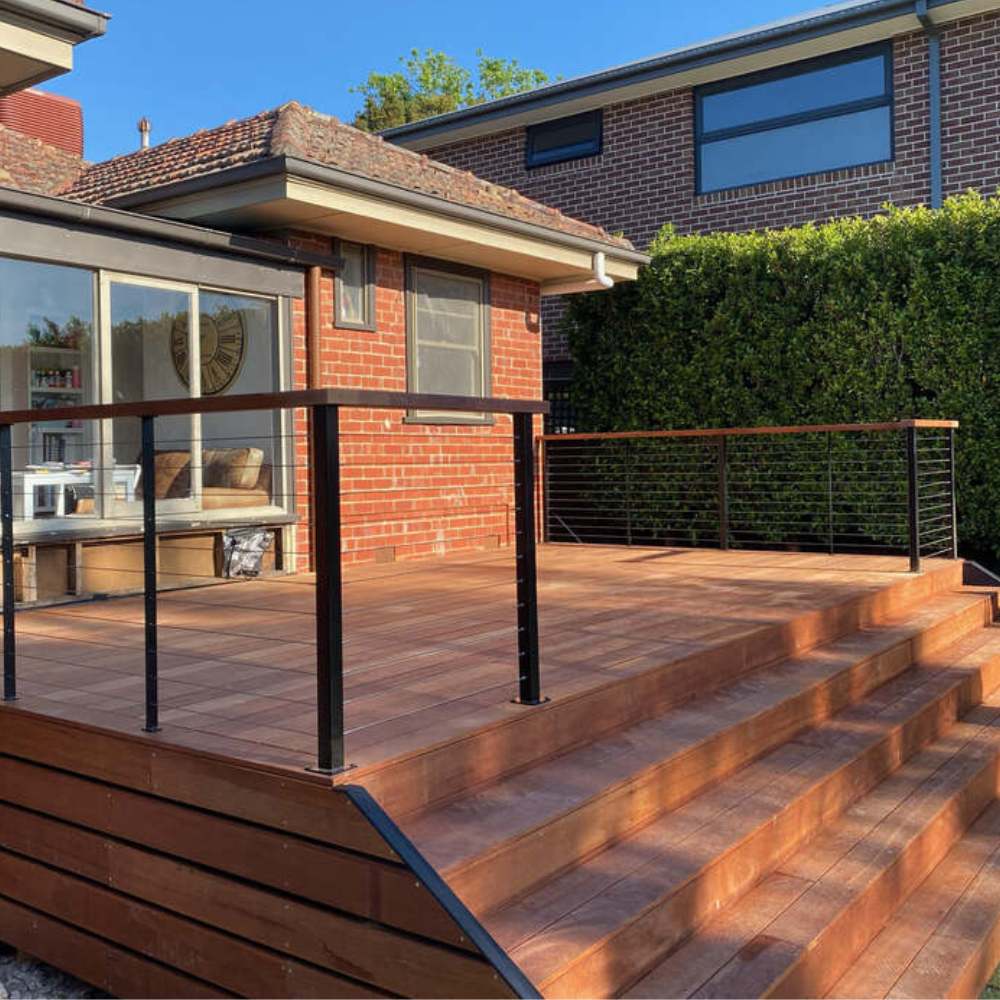

Where Should You Start?
If you already have posts...
→ Start with Wire Balustrade Kits to match your existing setup.
If you need posts as well as wire...
→ Browse Wire Balustrade Posts, then match them with the right kits and wire.
Frequently Asked Questions
How much does wire balustrade cost?
Wire balustrade is typically priced per section — the span of wire between two posts. The fittings generally cost more than the wire itself, so the system you choose has a bigger impact on price than wire length alone.
As a guide:
- Entry level (mechanical swaging, 7x7 wire): from around $60 per section
- Mid-range (most common residential setups): around $100 per section
- Premium (hydraulic swaging, slimline stainless fittings, architectural finish): up to $250 per section
Wire balustrade kits cover the fittings for each section, with balustrade wire purchased separately — making it easy to cost up your project based on your section count and wire length.
Are wire balustrades expensive?
Compared to glass balustrade, wire balustrade is significantly more affordable while delivering a similarly open, view-maximising result. Entry-level mechanical swaging systems are the most budget-friendly option. Hydraulic swaging systems with slimline stainless fittings cost more upfront but are arguably easier to install and look cleaner and neater.
What size wire should I use for wire balustrade?
3.2mm diameter wire rope is the most common choice for residential wire balustrade in Australia, typically run at 80mm spacing to meet NCC requirements. 4mm wire is available for applications requiring greater strength or longer spans.
How long does stainless steel wire last?
Marine grade 316 stainless steel wire is highly corrosion resistant and will last decades in most Australian conditions — including coastal environments. Regular cleaning with fresh water and a stainless steel cleaner helps maintain appearance and longevity.
What are common problems with wire balustrade?
The most common issues are insufficient wire tension, incorrect post spacing and using unsuitable post materials such as softwood. All three can be avoided by following NCC guidelines and choosing the right system for your post type. Our How to Install Wire Balustrade guide covers these in detail.
What are the Australian standards for wire balustrade?
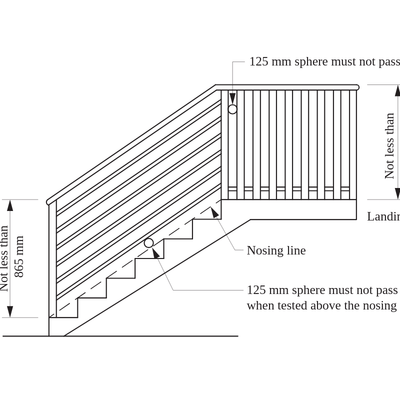
Wire balustrade in Australia must comply with the National Construction Code (NCC) and relevant Australian Standards. Requirements cover minimum barrier height, wire spacing, post spacing and wire tension — all designed to prevent a 125mm sphere (essentially a baby's head) from passing through the barrier. See our Wire Balustrade Standards guide for the full detail.