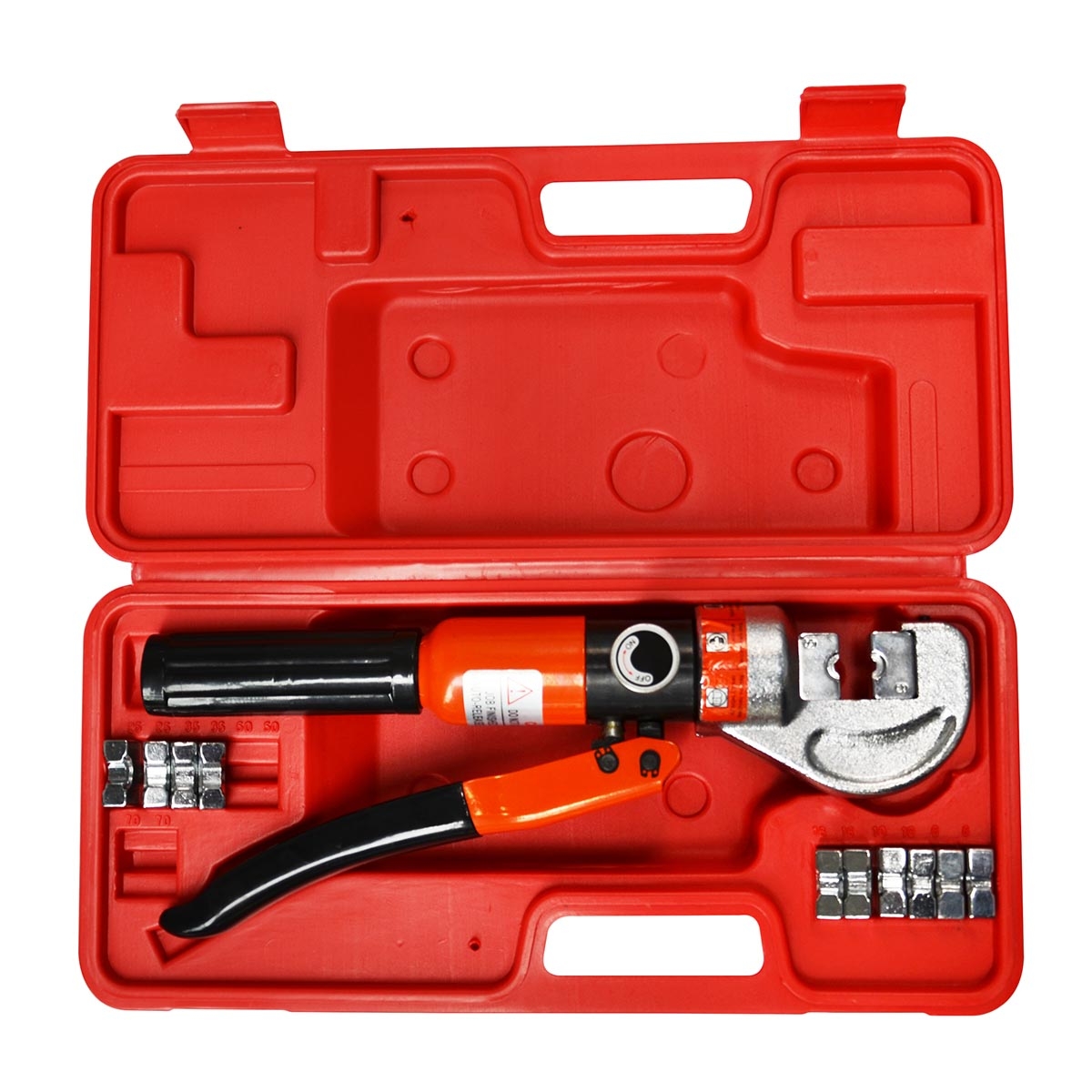
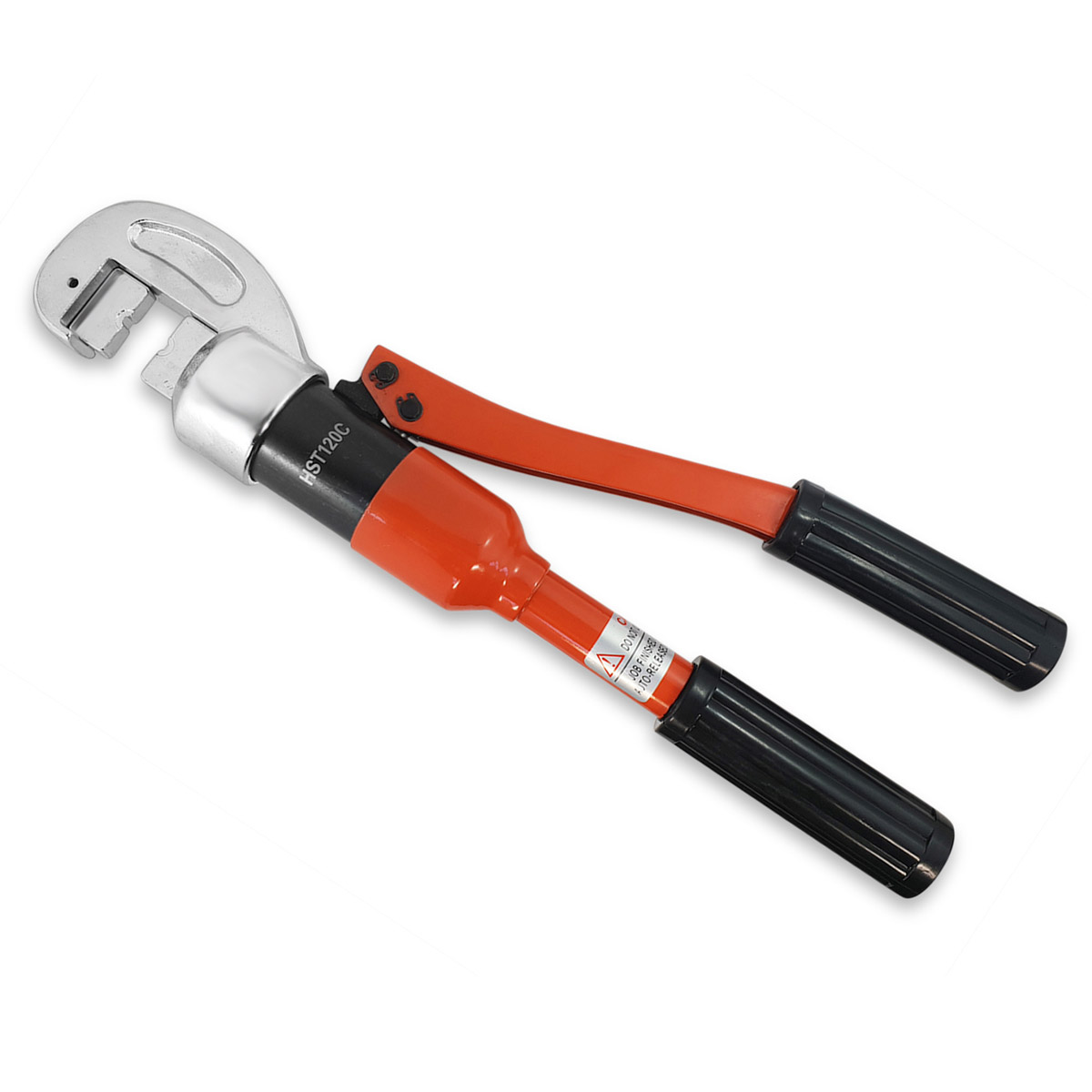
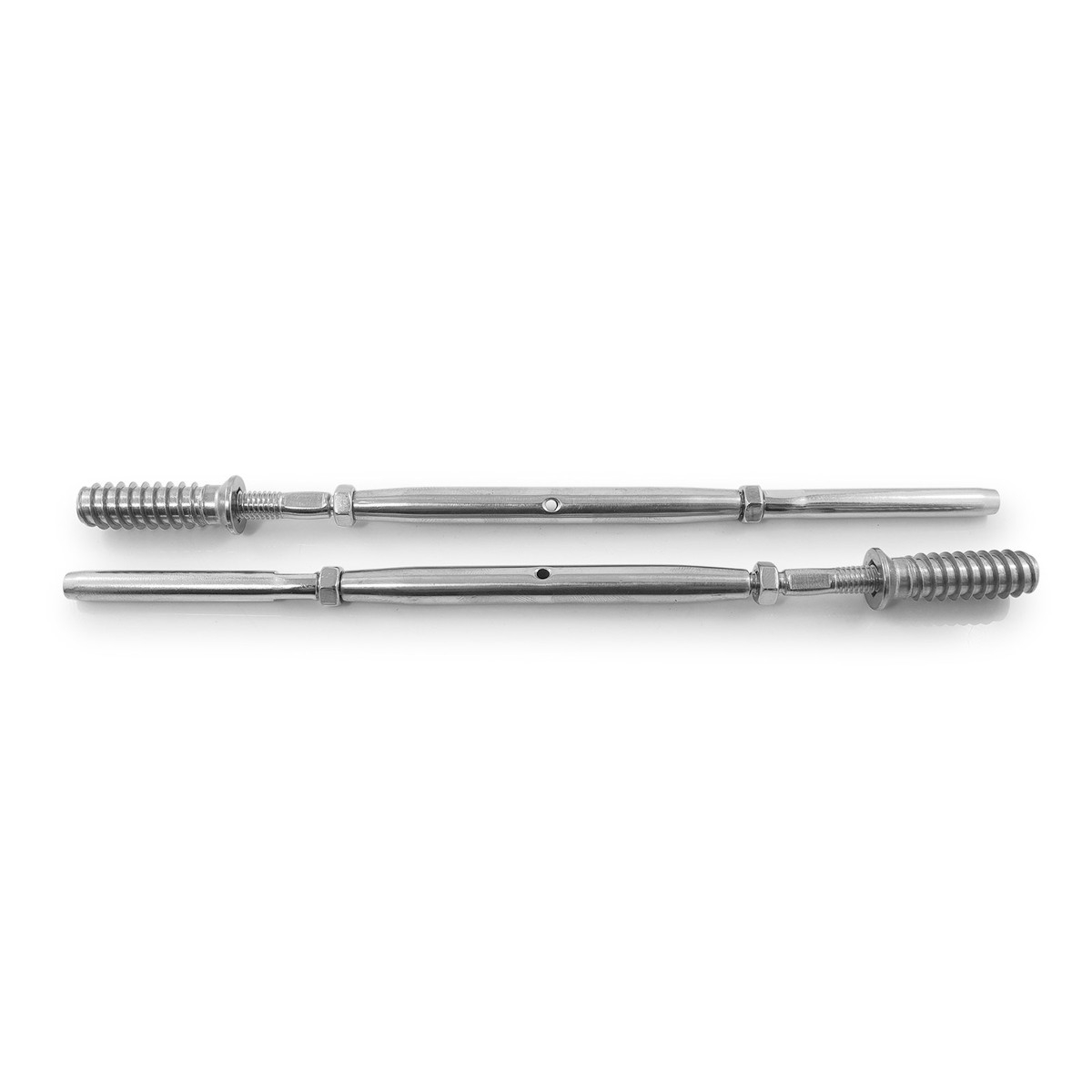
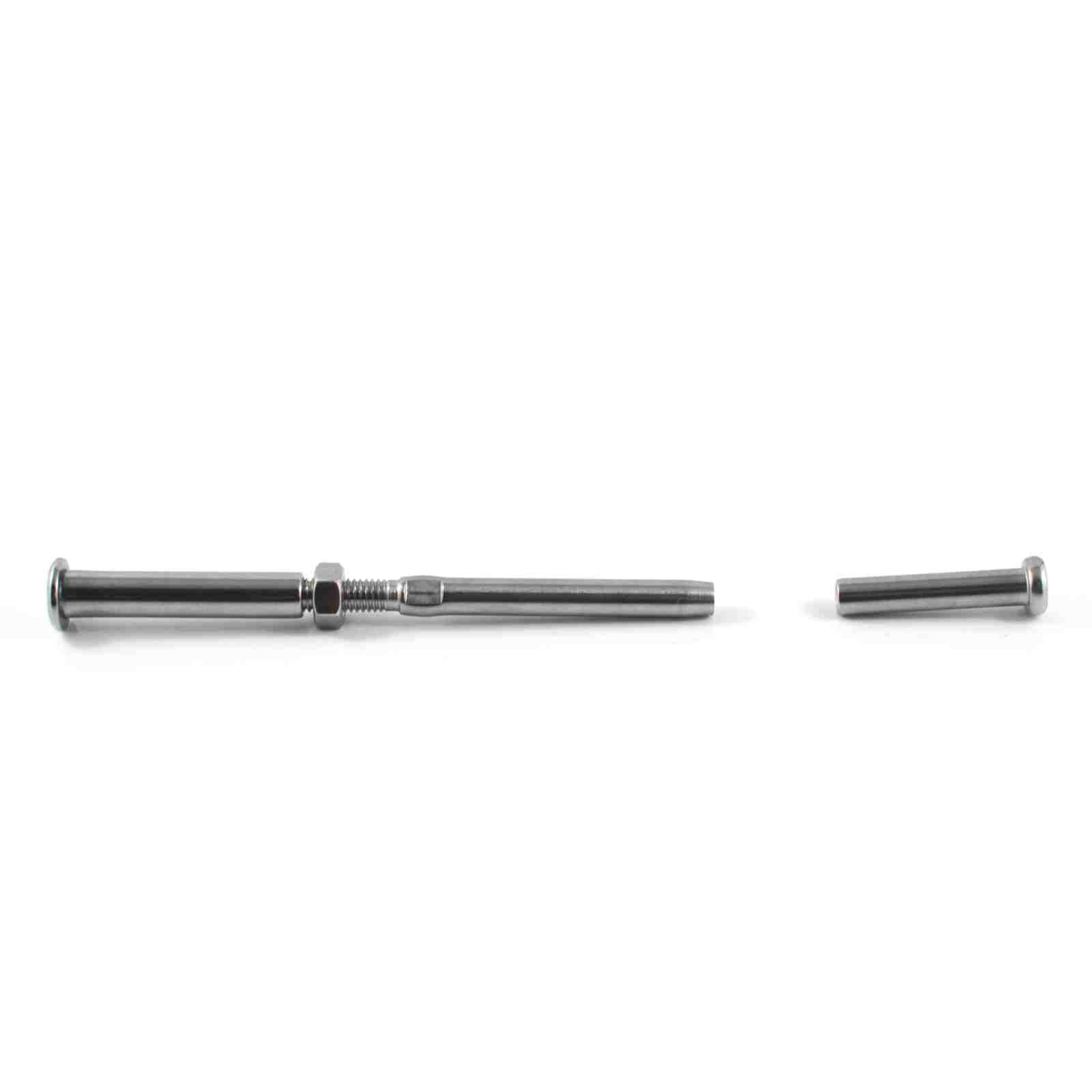
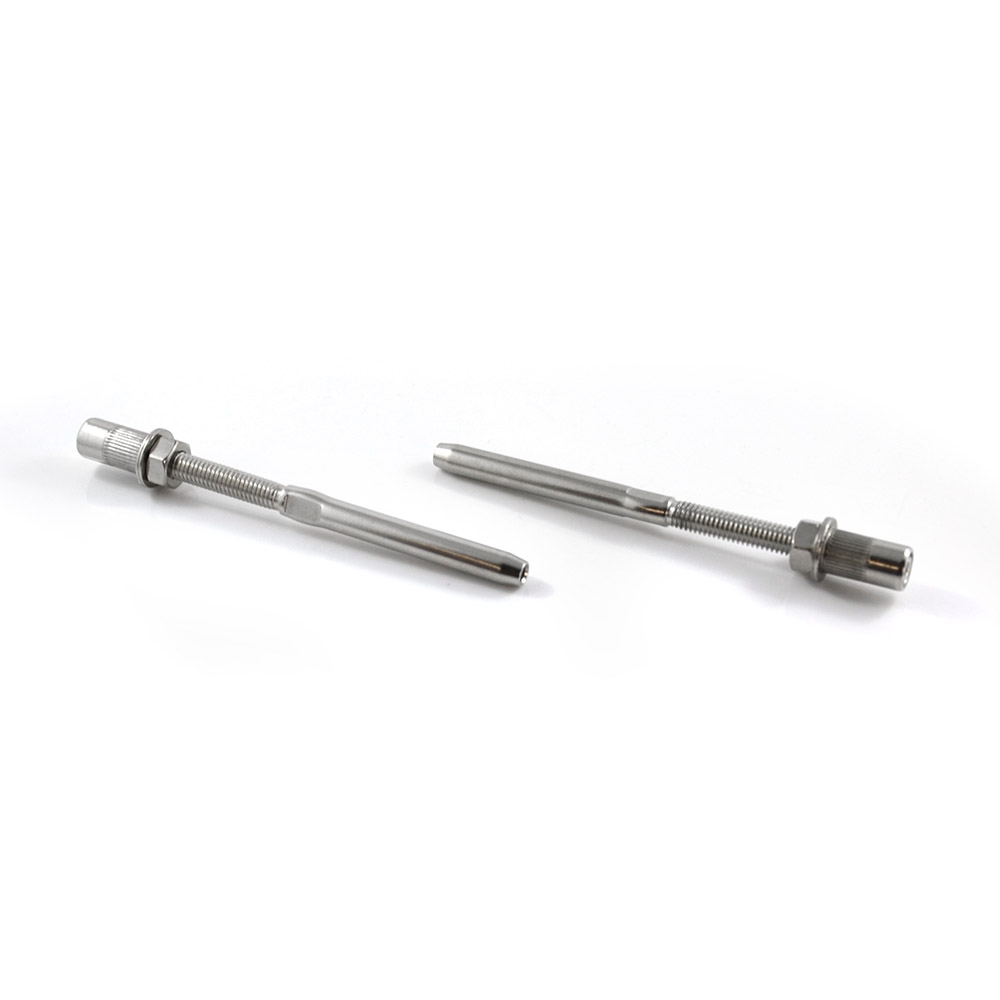
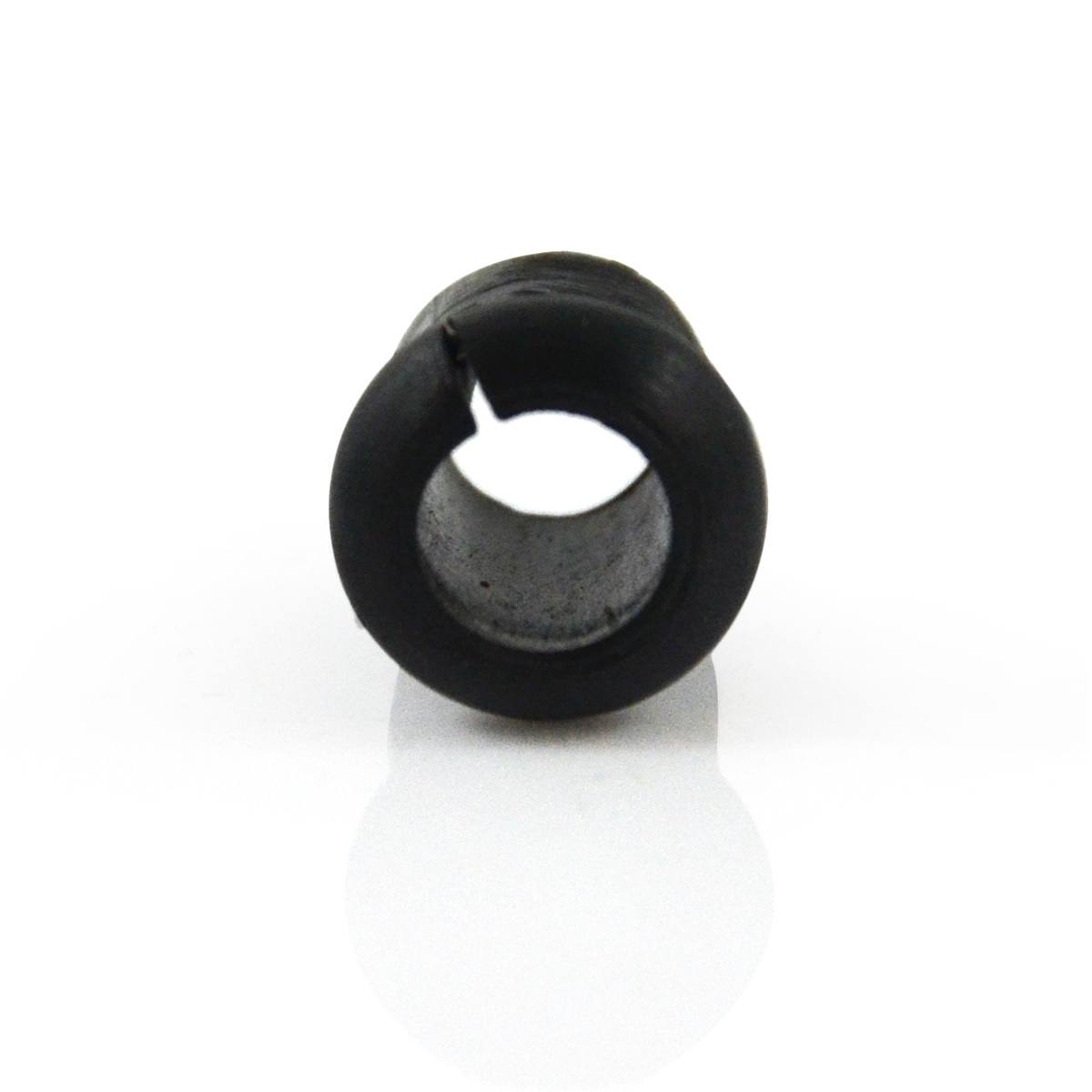
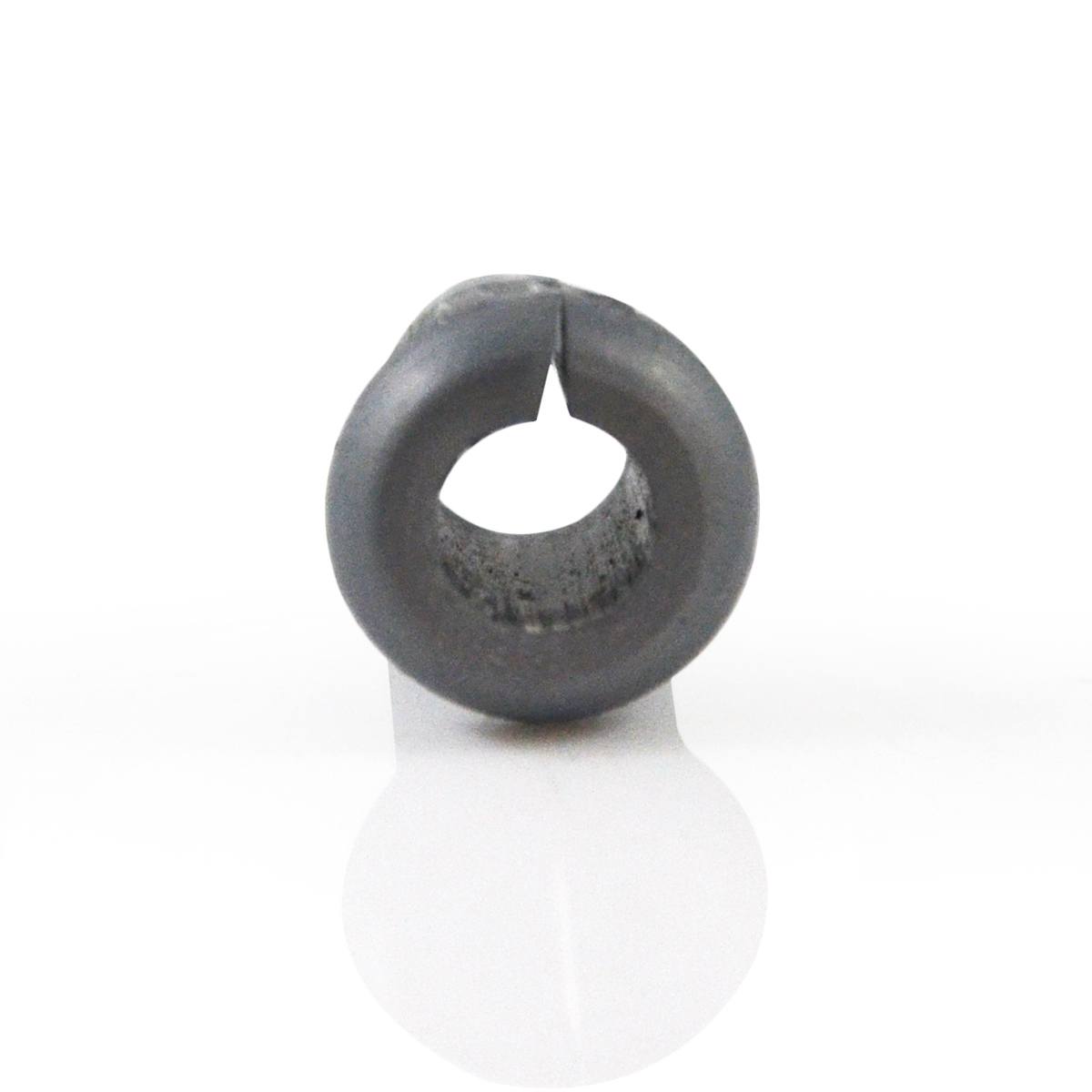
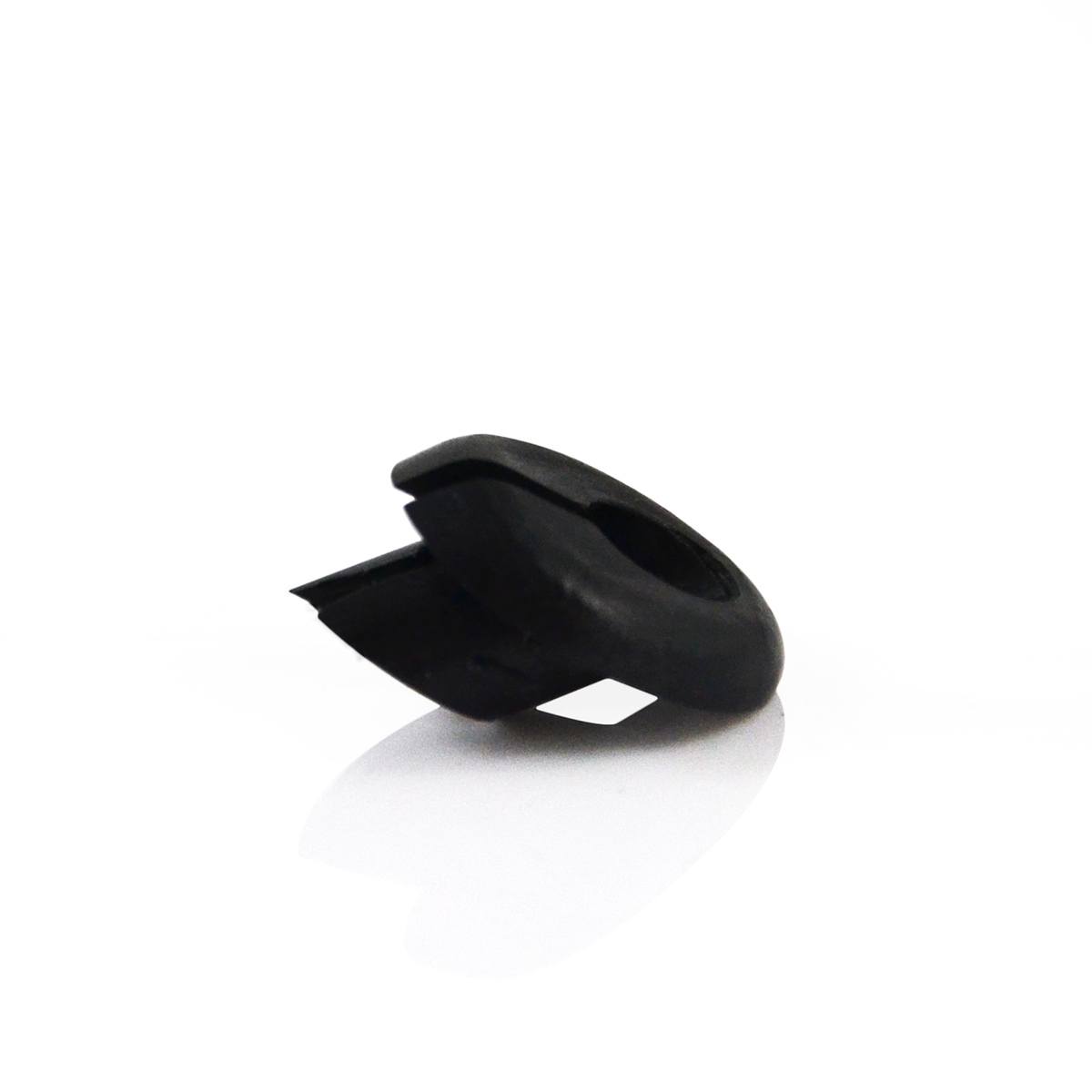
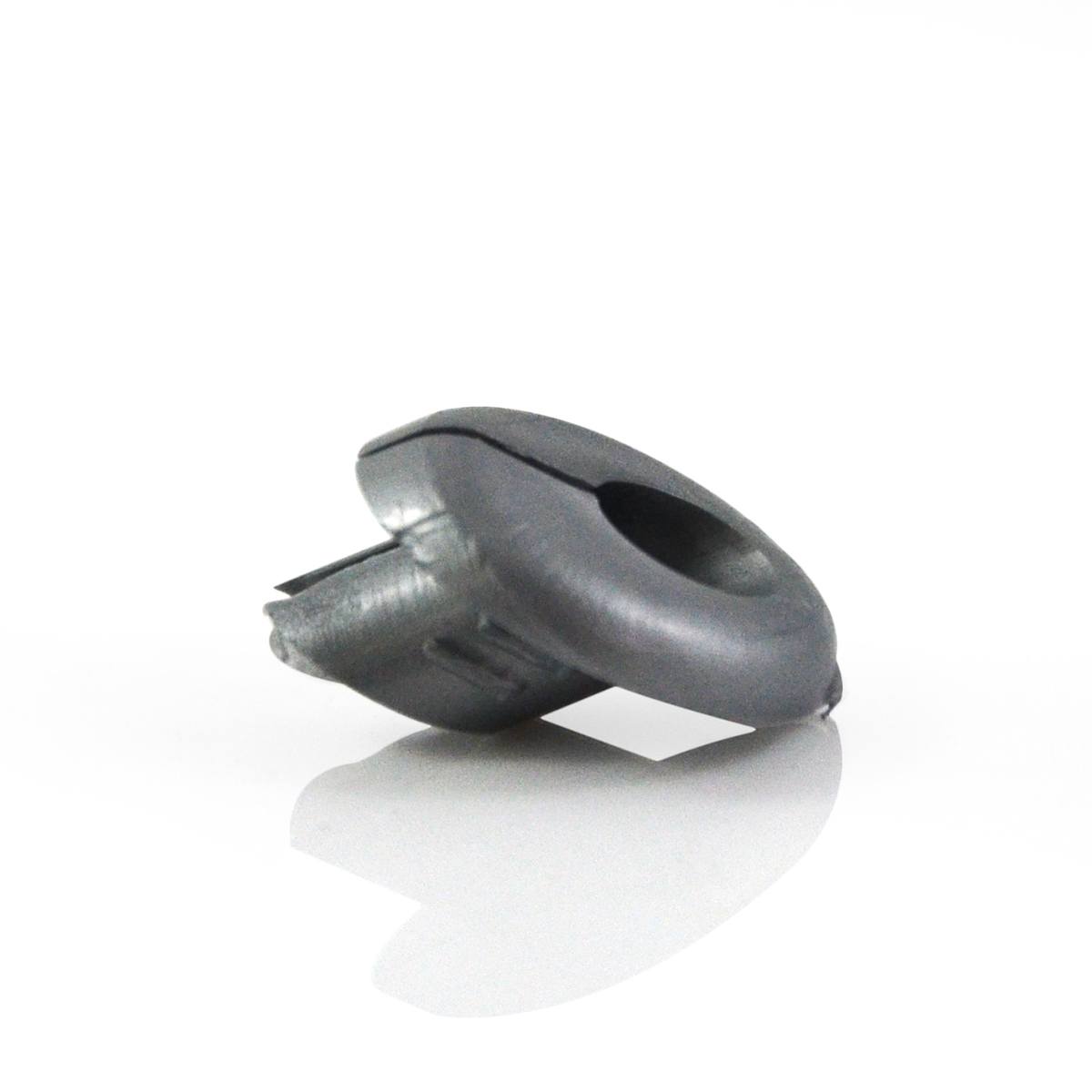
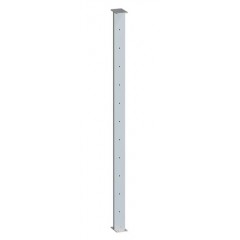
This is one of the most elegant, slimline DIY balustrade kits available in the market. If you want the least visual bulk less the price tag shock, then have a look. For angled runs between timber posts for use on stairs with pivot points. Hydraulic swaging/crimping required.
A staff favourite, this stainless wire balustrade kit is slimline, neat and aesthetically pleasing. It's designed to minimise the visual impact of your wire balustrade. It is quite easy to install , reducing the 'hidden' labour cost of some of the lower cost systems available.
This kit is suitable for stairs, ramps and angled sections.
See Wire Balustrade Kit #61 for a version of this kit that is designed for straight/flat wire runs.
DIY Install Instructions
Using a 13mm countersink bit, countersink the posts for your threaded timber inserts
Pre-drill your post holes for the threaded inserts using a 9.5mm drill bit.
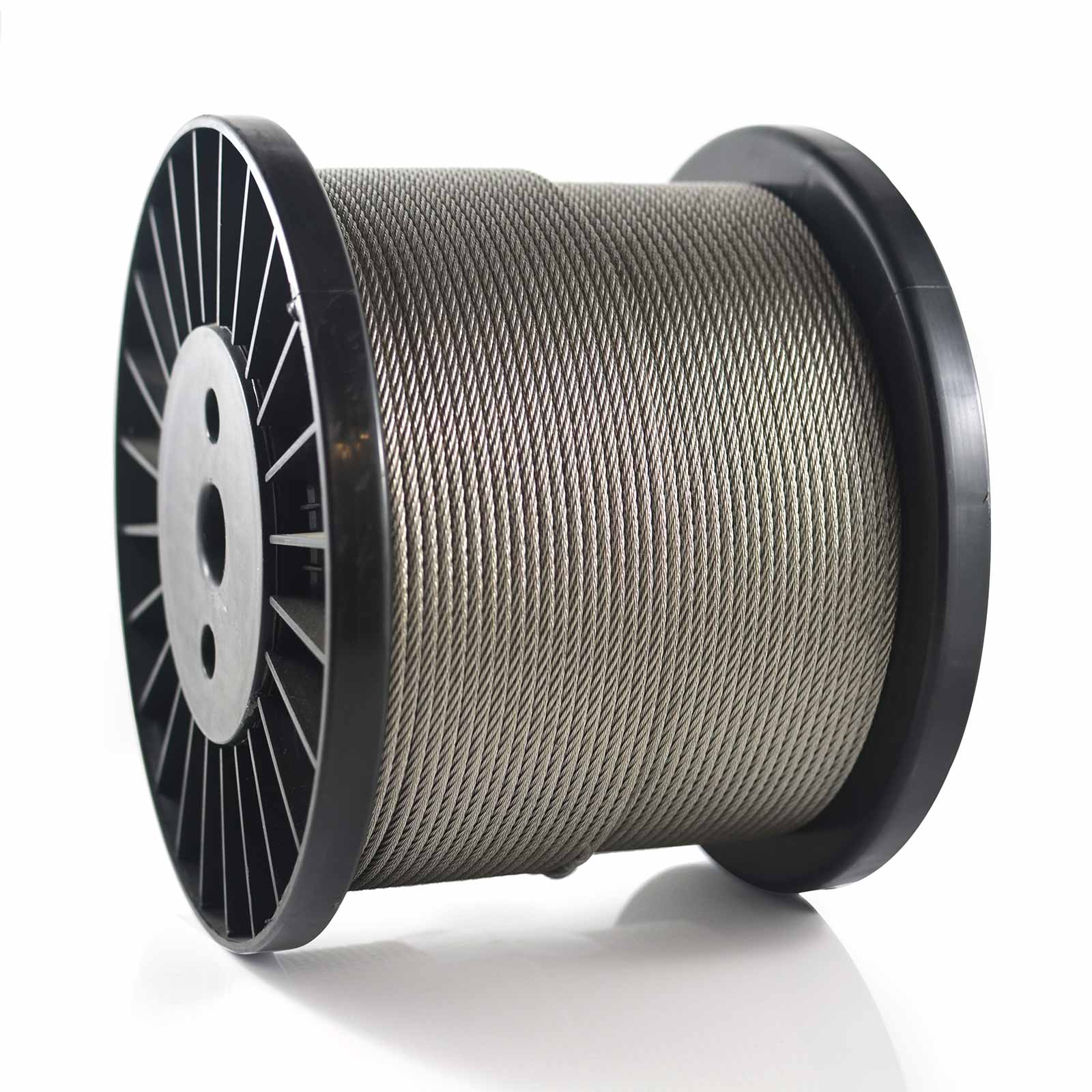
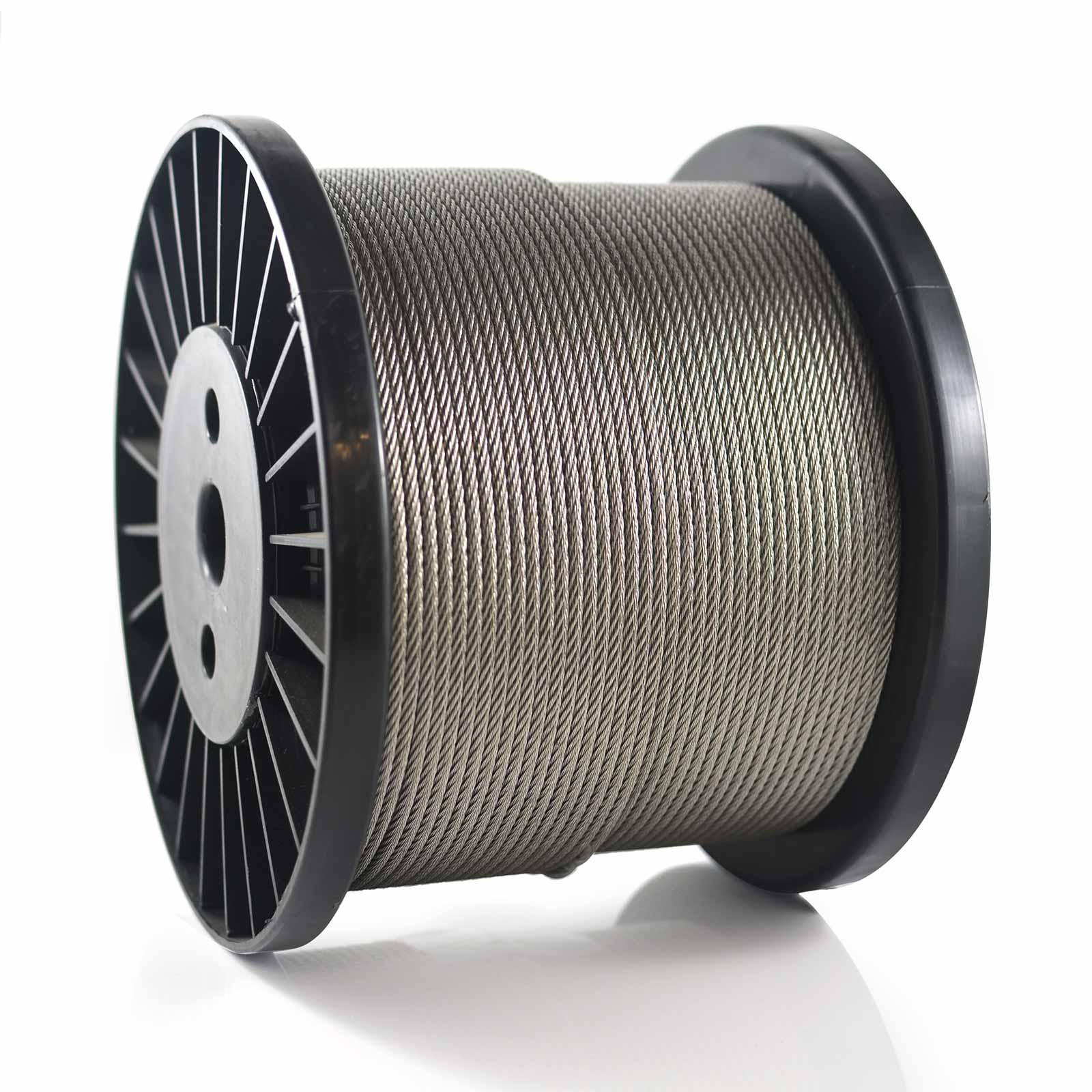
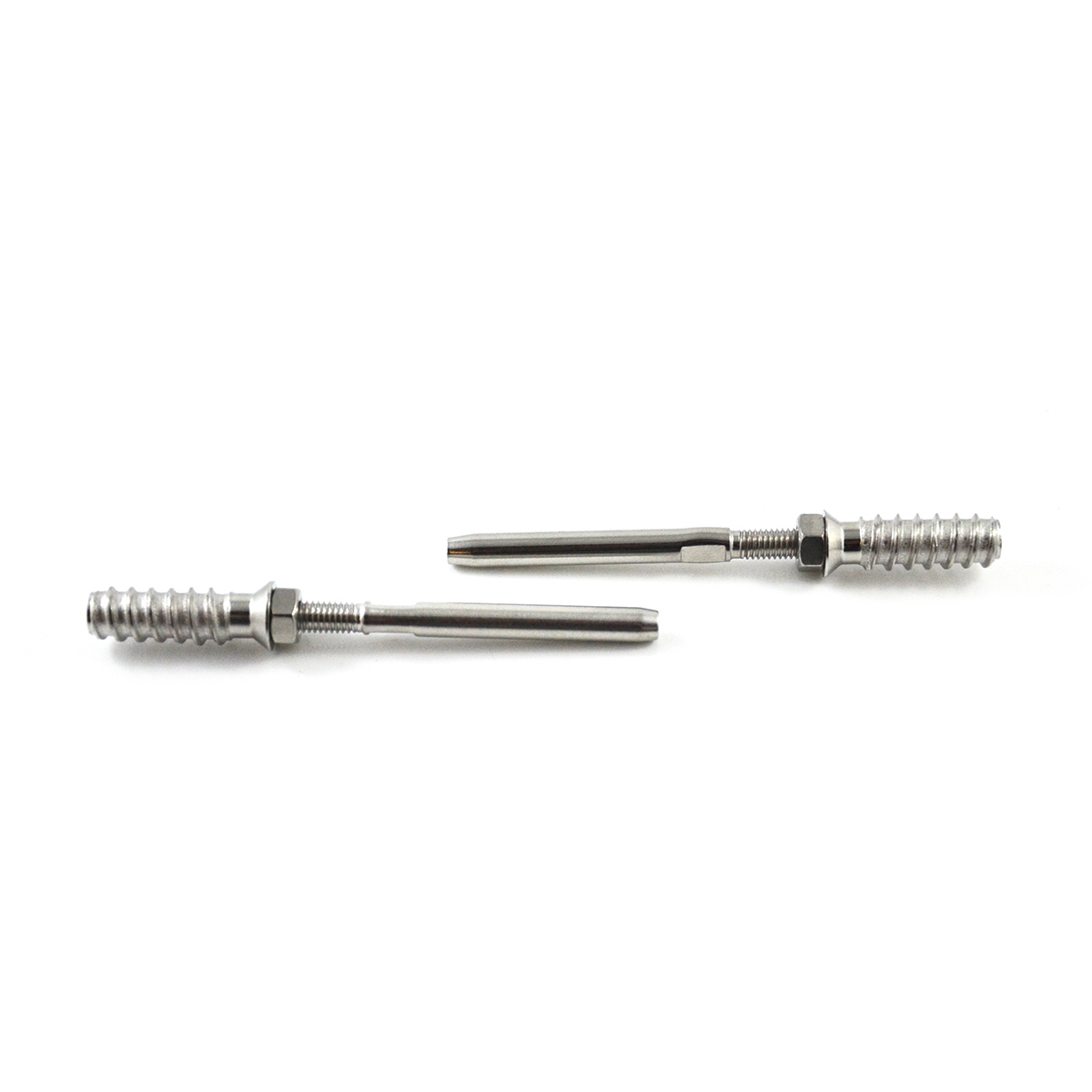
Insert the wire rope into the swage stud terminal ends at each end of your run.
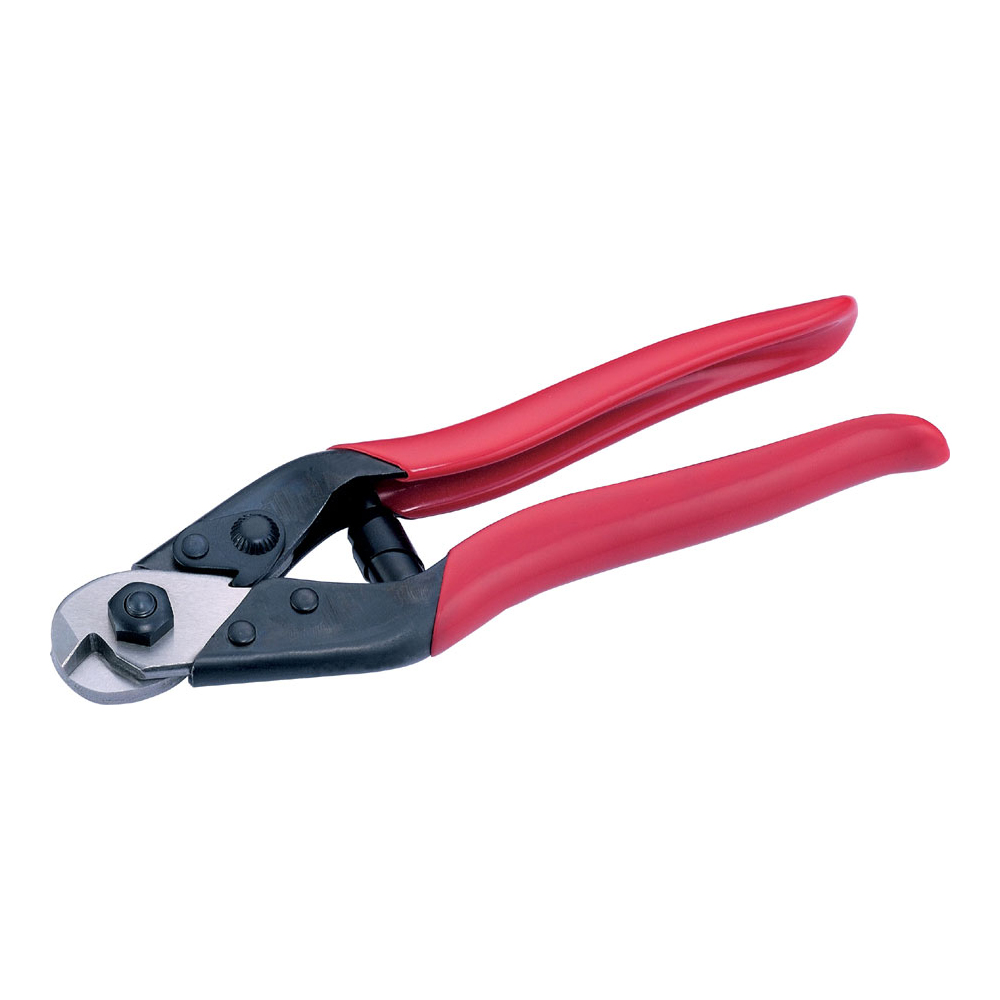
Crimp the swage terminals onto the wire. These fittings require the use of a hydraulic swaging tool.
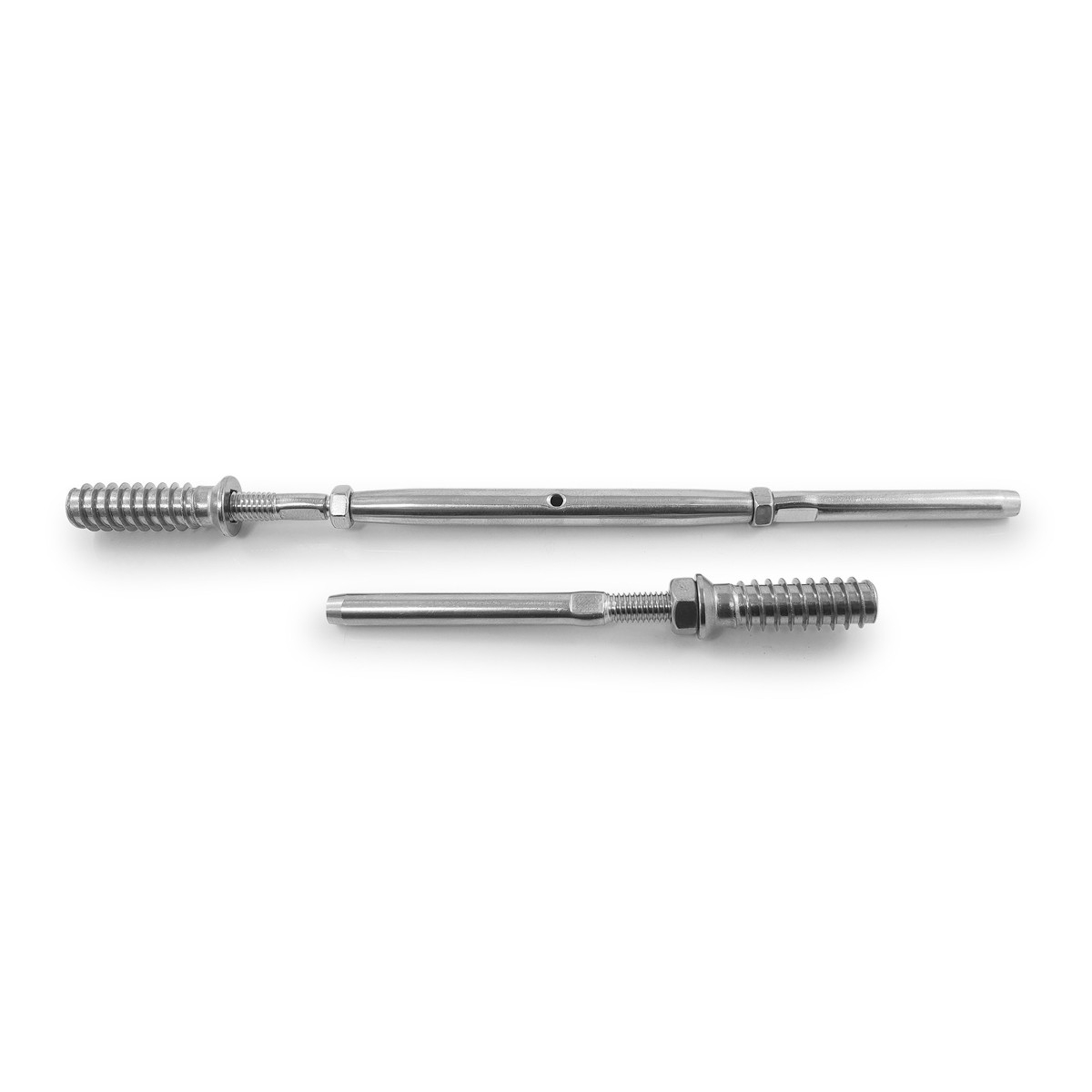
Insert the RHT swage stud terminal into the RHT Pivot Point. Do vice versa for the LHT fittings.
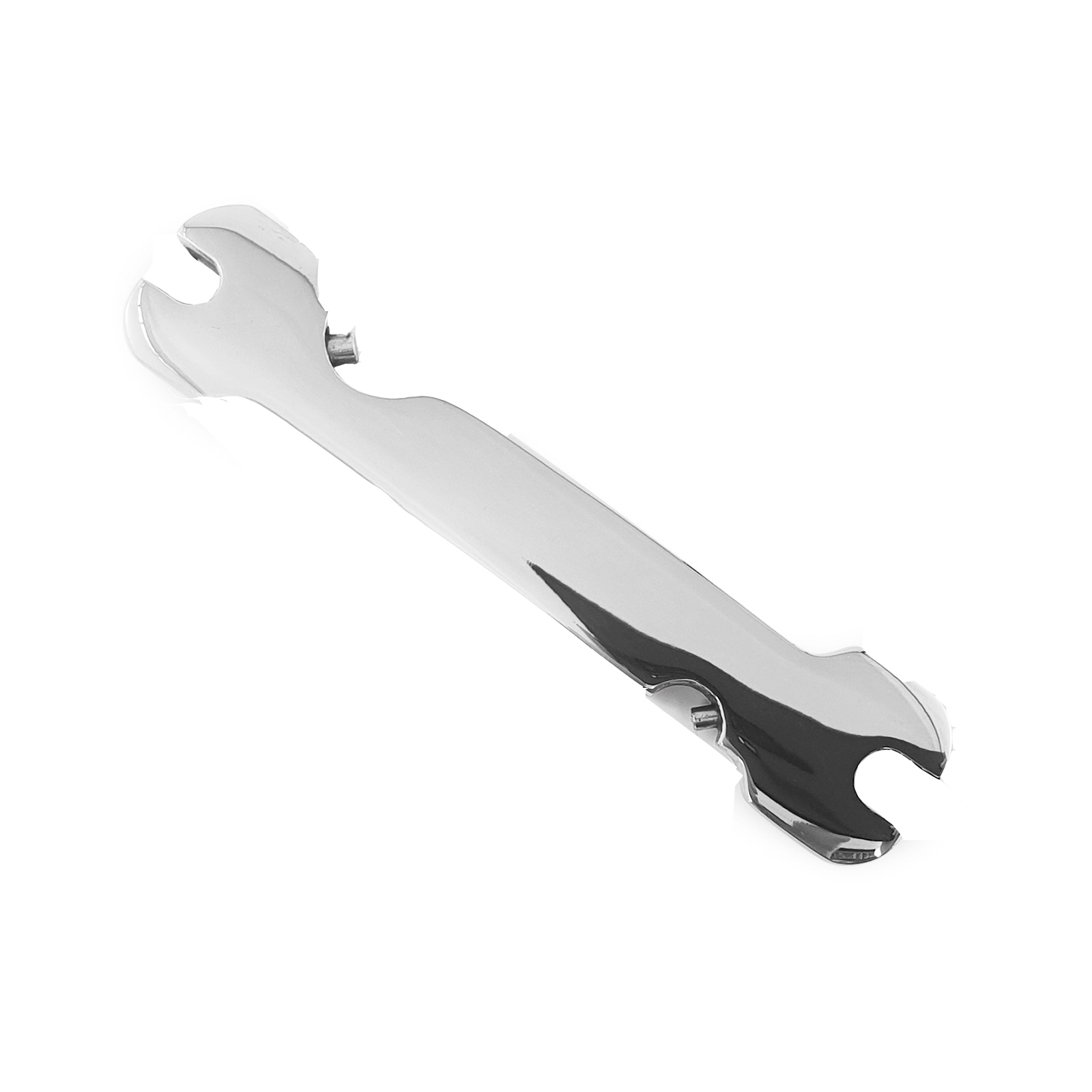
Insert the RHT Pivot Point into the RHT Threaded Timber Insert. Do vice versa for the LHT fittings. Thread with hands first and tension the swage stud terminals with a spanner multi tool or spanner.
Customer Example
Featuring this Swage Stud Terminal & Threaded Timber Insert system, below is a great example of how nature and architecture can blend seamlessly. A beautiful forest vista complemented by slimline stainless wire balustrading.
For technical requirements where you are unsure what products are and are not compatible please Contact Us.
Please note these are general Compatibilities/Incompatibilities, we cannot provide advice as to whether these components will meet the technical/structural requirements of your project. For this type of information you will need a builder, engineer or other qualified professional to assess your site and needs.
For technical requirements where you are unsure what products are and are not compatible please Contact Us.
Please note these are general Compatibilities/Incompatibilities, we cannot provide advice as to whether these components will meet the technical/structural requirements of your project. For this type of information you will need a builder, engineer or other qualified professional to assess your site and needs.